


5 Signs Your B2B Company Needs a System for Opening New Conversations

Every B2B company has sales. Very few have a system for opening new conversations. If you recognize at least three of these five signs, it’s probably time to change your approach.

1. Your pipeline fluctuates month to month

One month you have 5 serious opportunities. The next month, 1. The month after, 4 again. No trend, no predictability. This is a clear sign that opening new conversations isn’t consistent enough.

2. Outreach stops when the team gets busy

When your team is working on a project, messaging stops. When someone’s on vacation, it stops. When urgent things come up, it stops. Outreach isn’t a task you can simply pause and restart without consequences.

3. Follow-ups don’t happen

You send the first message. But the follow-up? Maybe. The second? Rarely. The third? Never. And it’s precisely in the follow-ups where the most value hides, because most B2B deals require multiple touchpoints.

4. You don’t know where each contact is in the process

Who did you message last week? Who replied? Who’s waiting for a follow-up? If you can’t answer these questions in 10 seconds, you don’t have a system — you have improvisation.

5. Your offer is strong, but new conversations aren’t

This is the most common sign. The offer is solid, the team is capable, but there simply aren’t enough new opportunities. The problem isn’t at the end of the sales process — it’s at the beginning.


„If your sales only work when you have time — that’s not sales. That’s improvisation.“


What to do about it

If you recognized yourself in three or more signs, it’s probably time to turn the first part of your sales process into a system. Not another task, not another spreadsheet — a system that runs every day, regardless of what’s happening on your team.


Morning Lux

Mobile development

Modern lifestyles often involve spending most of the day indoors, reducing exposure to natural morning light. This disrupts circadian rhythms and negatively affects sleep, energy, and mood—yet many people don’t realize how much light they truly need.

Lowqee

Mobile development

As the number of online services and accounts grows, users are increasingly concerned about securely storing strong, unique passwords without relying on cloud-based solutions that may expose them to breaches.

MI&ME

DIgital marketing and web development

MI&ME is a rising fashion brand that blends modern minimalism with timeless elegance. As the brand expanded beyond local presence, they needed a professional online store that not only supported product sales but also embodied the brand’s premium identity. The platform had to deliver a seamless and intuitive shopping experience across all devices, while enabling easy product and inventory management.

Instapret

Web development

Instapret needed a professional online presence to clearly communicate its translation and interpreting services to a diverse client base. The previous lack of a modern website made it harder for potential clients to understand the scope of services or get in touch easily.

Italko

Web development

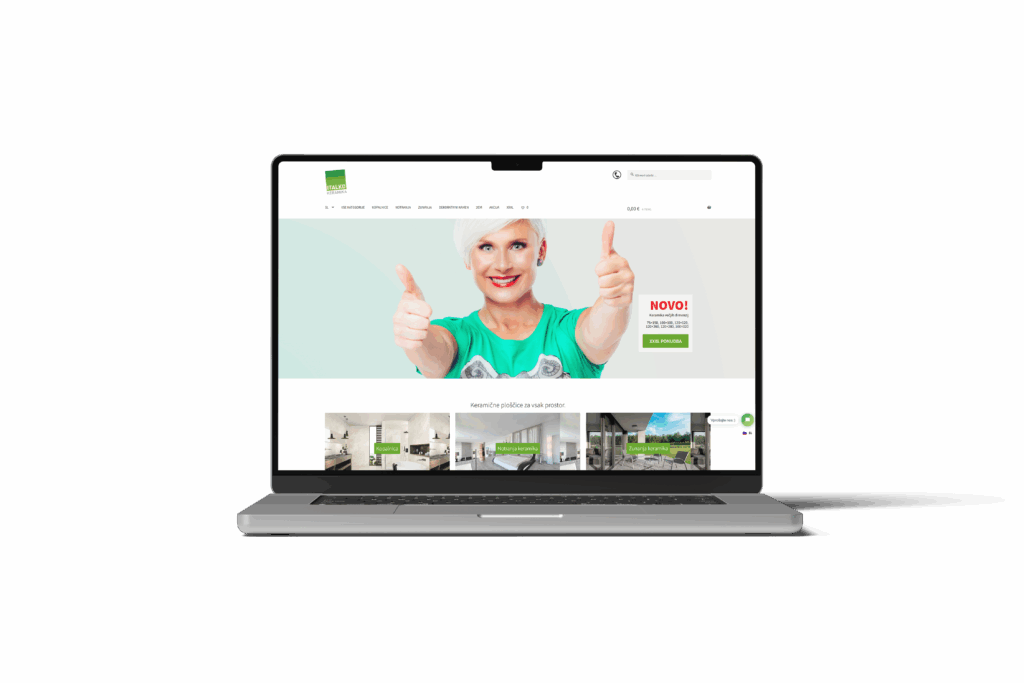
Italko needed a modern online store that could simplify the tile selection process for customers and reduce uncertainty when choosing styles and quantities.

Pedikura na domu

Digital marketing and web development

Pedikura na domu needed a modern digital presence to promote mobile medical pedicure services and sell foot care products online. They also wanted to build trust and visibility through high-quality content and targeted marketing.

Lovrenčič d.o.o.

Digital marketing and web development

Lovrenčič d.o.o. needed a professional online presence and a consistent marketing approach to reach new clients and strengthen brand visibility in a competitive industry.

Hiša vin Mak

Digital marketing

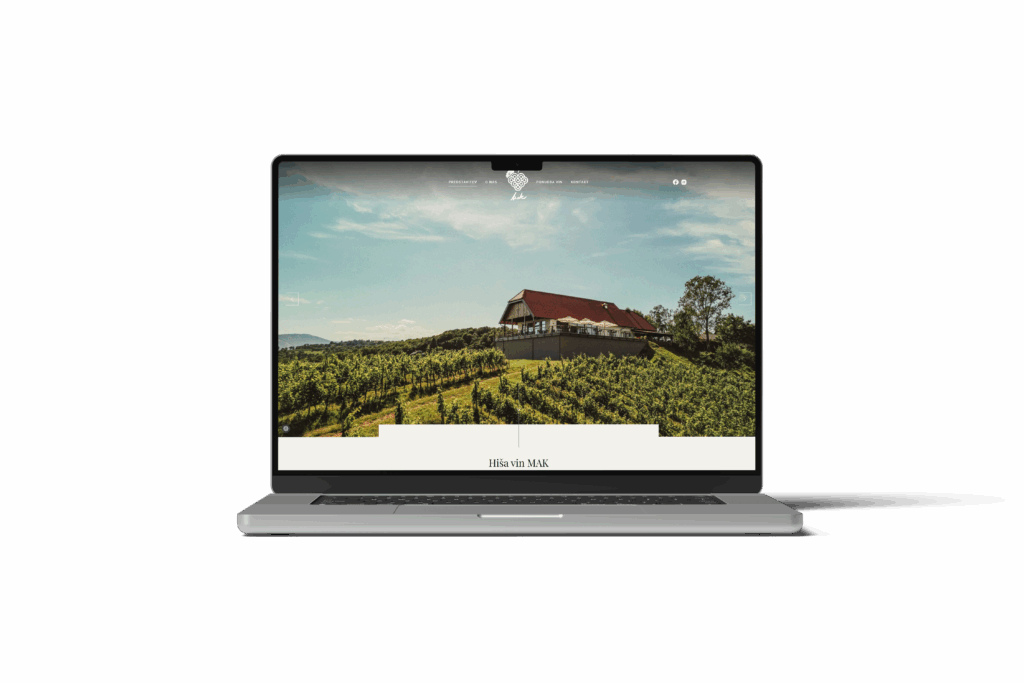
Hiša vin Mak needed a comprehensive digital upgrade, including website improvements, SEO optimization, and a strong marketing strategy to boost their online presence and engage customers effectively.

Humanic

Web development

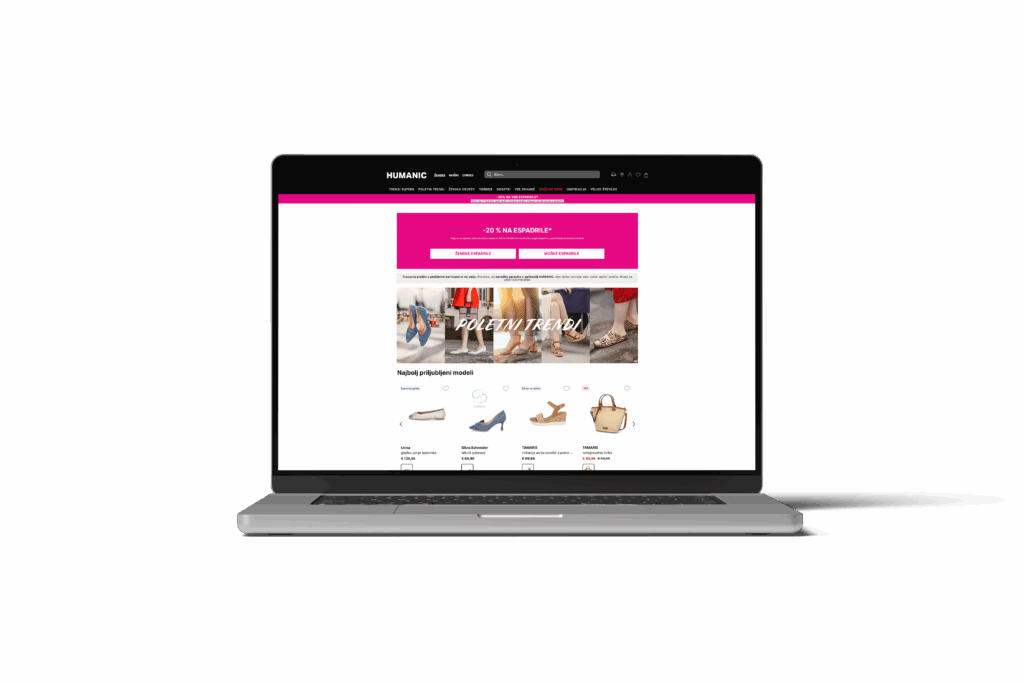
Humanic needed an efficient way to manage orders from their retail partners, ensuring smooth and reliable product supply across multiple locations. Their existing system lacked integration and real-time order tracking.

Unilever

Web development

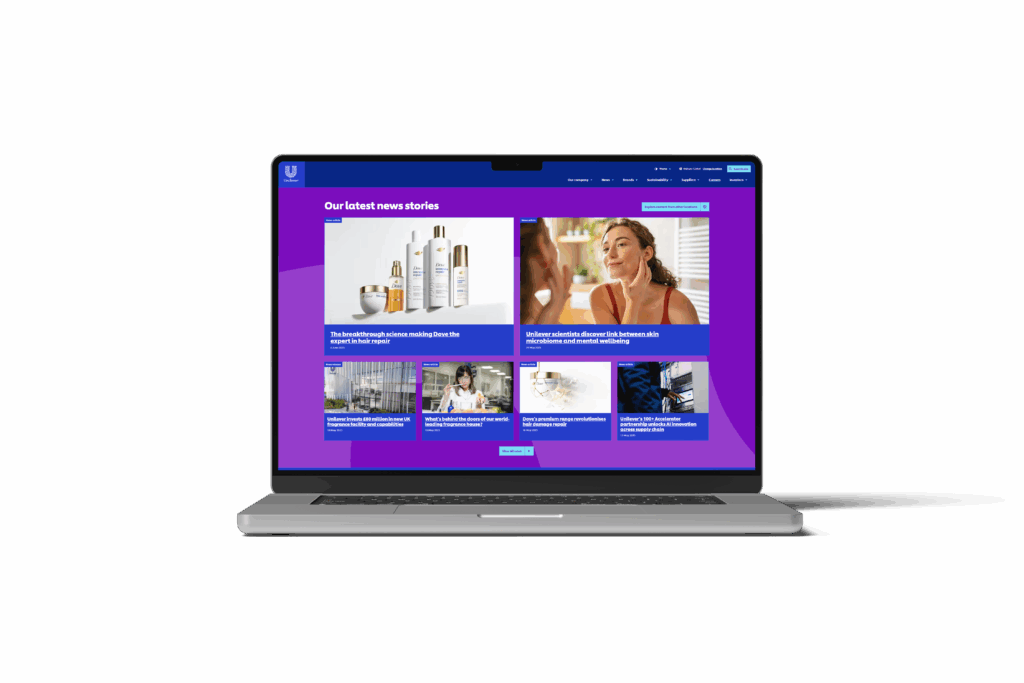
Unilever faced complex logistics in planning daily deliveries through multiple transport partners, managing over 40,000 orders per day. Their existing tools couldn’t keep up with the volume or ensure real-time coordination between stakeholders.

Tjaša Dorelay

Web development

For our client Tjaša Dorelay, we carried out an extensive website redesign, focusing on numerous upgrades and improvements. Since the entire system was built with custom code, we thoroughly refactored this code to ensure better functionality and stability.

Twisted tales

Mobile development

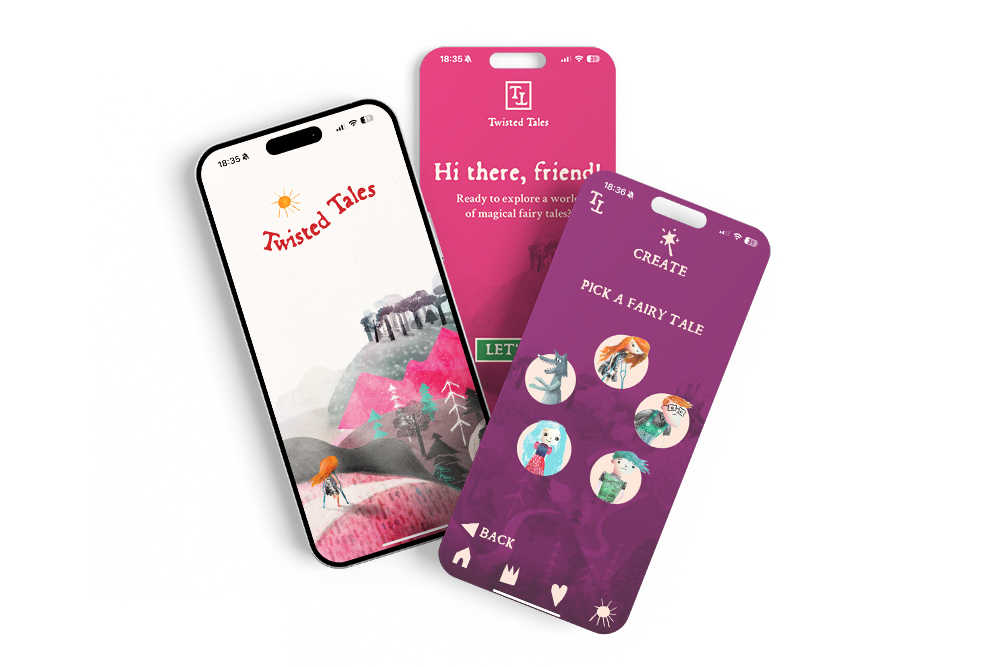
For the mobile app Twisted Tales, we created an intuitive and user-friendly platform for listening to children’s stories. We focused on a smooth user experience, easy navigation, and an appealing design that encourages children and parents to explore the content.

Twisted tales mockup

Mior

Web development

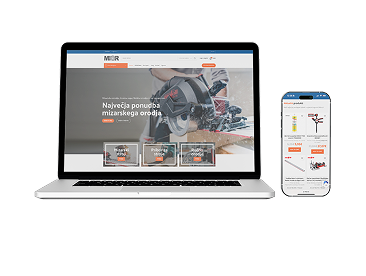
For our client Mior, we focused on improving and optimizing their website. Before taking over the website, we encountered numerous challenges, primarily due to poor site performance and the presence of multiple errors that hindered the user experience.

mior mockup

Elipsa Caffe

Social media and digital strategy

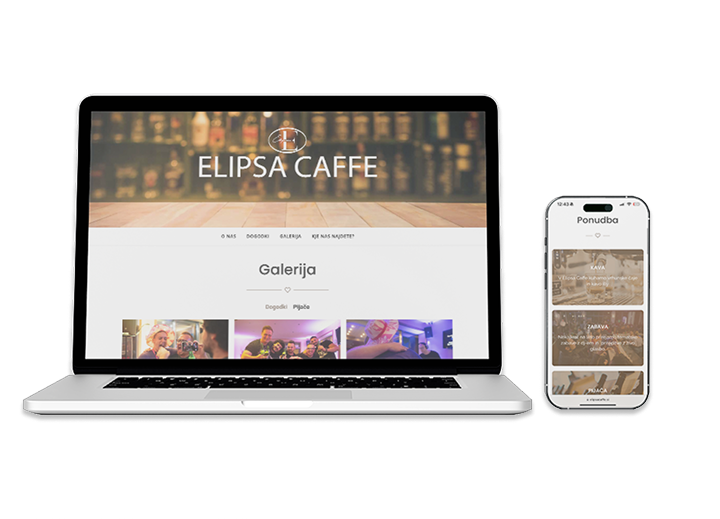
Elipsa Caffe wanted to establish a simple yet effective online presence that would allow visitors quick access to key information. We created a straightforward web business card where guests can find basic details about the venue, and we also added a section for announcements of upcoming events and a gallery of moments from past gatherings. This way, we enabled guests to always stay updated on the happenings at the venue and relive unforgettable moments from previous events.

Bon app

Mobile development

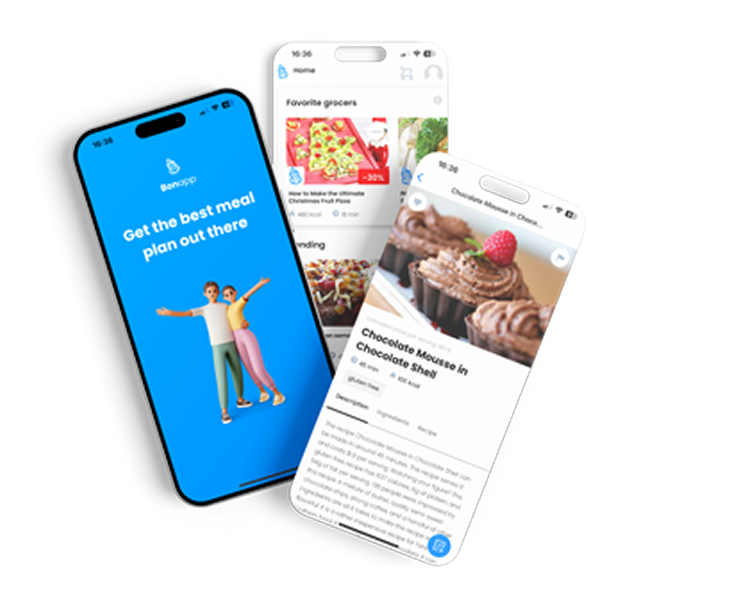
BonApp aimed to create a seamless and efficient meal planning experience for users of all culinary skill levels. The goal was to address common challenges in meal planning and preparation, such as time-consuming recipe selection, grocery shopping, and coordinating meals for families.